


Are you wondering where the best places are to invest in Portugal in 2026? Lisbon continues to make headlines, but cities like Lagos, Braga and Matosinhos are quickly gaining momentum. Whether you’re a local buyer or new to the country, the big question is the same: which markets offer the strongest opportunities right now?
Working closely with developers, agents, and clients across Portugal gives us a front-row seat to the country’s most exciting real estate trends. We see where demand is heating up, where prices are shifting, and which neighbourhoods have the most potential.
Here’s our take on Portugal’s most promising markets today, and why they deserve your attention.
Lisbon: Demand Remains Steady in the Capital
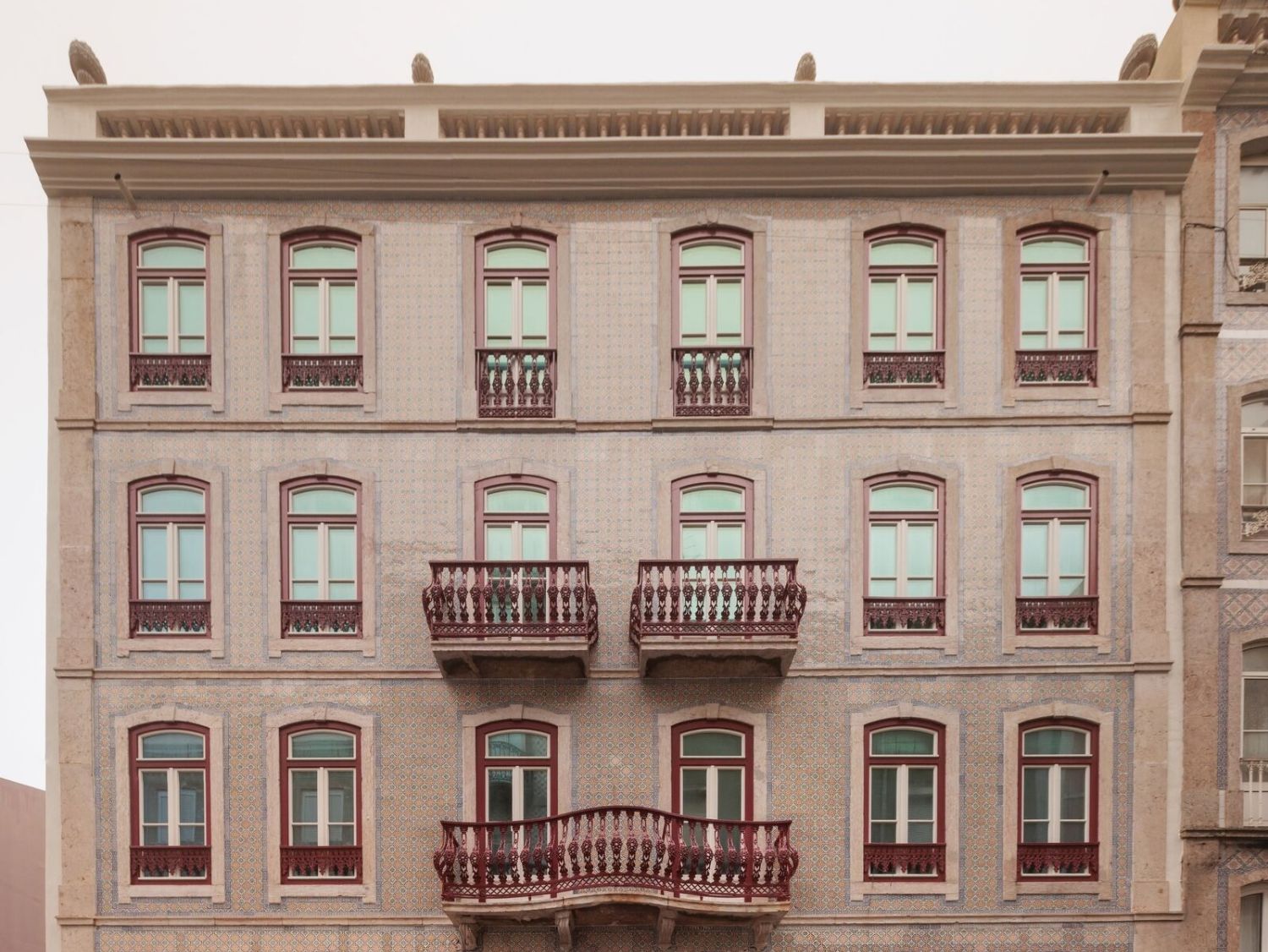
Lisbon is still considered one of the best places to invest in Portugal. Despite years of strong appreciation, demand hasn’t cooled. Central and riverfront neighbourhoods are especially competitive, and there simply isn’t enough new construction to keep up.
Portugal’s housing market has grown faster than most others in Europe, with values rising 48% over the past five years, and Lisbon has been a major driver of that climb.
Across the country, rental growth reached 9.1% in 2024, yet Lisbon sits in a league of its own, with median rents rising 53% since 2017. Today, Lisbon sits among Europe’s most expensive rental cities. Young professionals, remote workers, and growing companies continue to pour in, keeping rental demand tight.
The premium market is also thriving. Portuguese buyers now account for 73% of luxury transactions, while foreign interest remains influential at 27%, led mostly by the UK and the US.
Braga: Small-City Ease, Big-Market Energy
Braga is quietly reinventing itself. What was once seen as a slower northern city is now a fast-growing hub attracting young talent, families, and investors who want value without sacrificing culture or quality of life.
Recent job growth, especially within tech and innovation, has driven new demand for housing. For many buyers, the difference here is straightforward: compared with Lisbon or Porto, you can get more space, newer buildings, and rapid returns.

Students play a big role in the market’s resilience. Properties near the University of Minho consistently attract tenants, year after year. That predictability makes student housing especially appealing to investors looking for stable occupancy.
Braga is also changing physically. Infrastructure projects, including upgraded rail links and ongoing urban improvements, are helping transform surrounding districts. Add in a well-preserved historic centre, an active cultural calendar, and access to nature, and Braga delivers an easy blend of lifestyle and practicality.
Lagos: City Energy Meets the Algarve Coast
Nestled in the Western Algarve, Lagos is a popular destination for tourists, second homebuyers and expatriates. The city combines urban energy with a stunning coastline, diverse amenities, and excellent connectivity.
Lagos has an active luxury market and ranks among the Algarve’s premium municipalities. There is also a strong international buyer base.
Big hotel brands and luxury developments are investing heavily in the area, driving up property and rental values. In 2026, investment is being channelled into the area surrounding Lagos Marina, opening up new and compelling opportunities for investors.
Property prices are rising steadily across the city, with an annual growth of 8.8% in February 2026.
Matosinhos: Coastal Living Near Porto
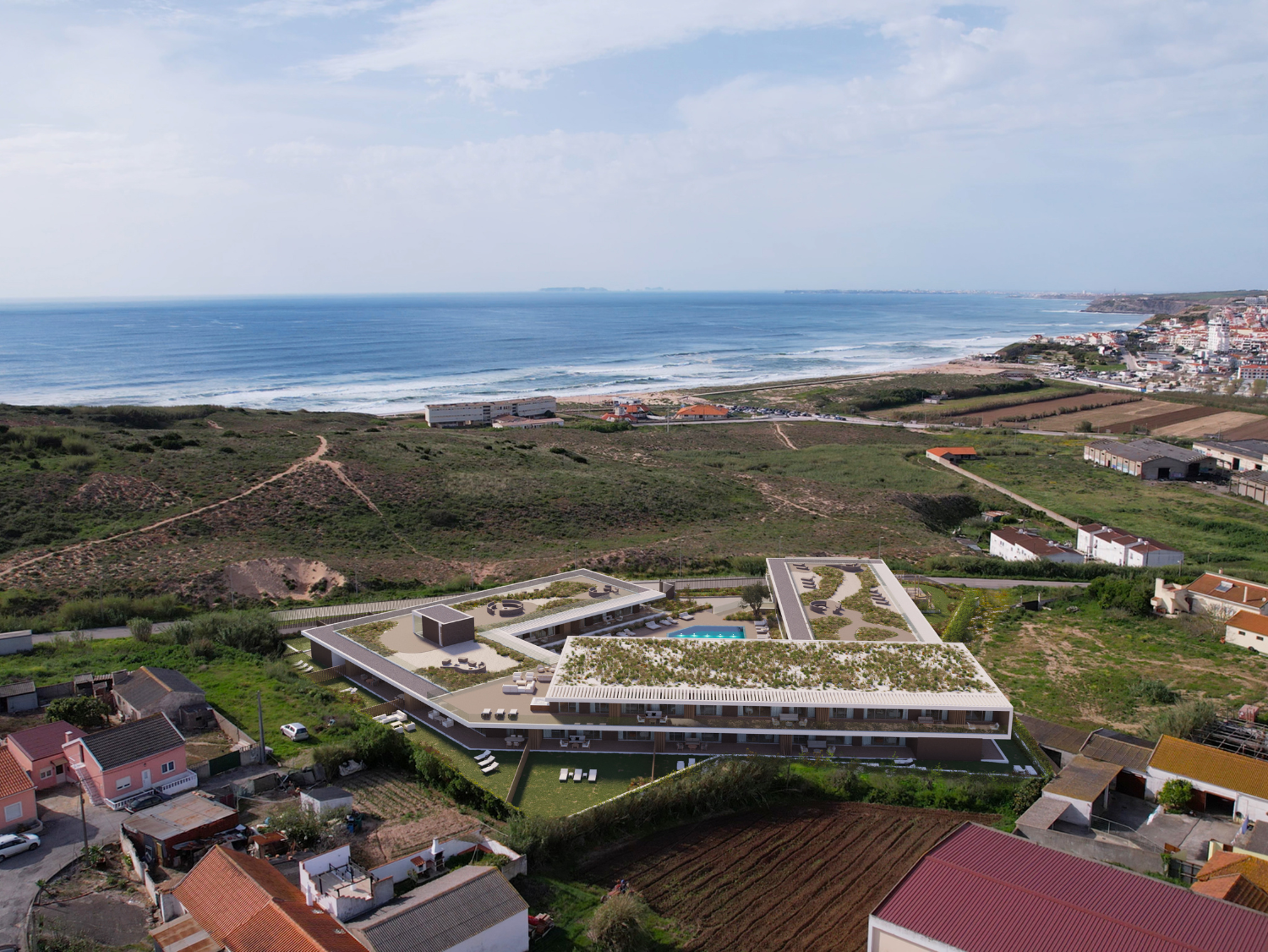
Matosinhos offers a laid-back, beach-town feel yet sits minutes from the centre of Porto—a mix that continues to draw a wide range of buyers.
Apartment values have accelerated by more than 20% over the past year (Properstar). However, prices remain lower than those in Porto. That gap has helped push demand outward from the city centre.
The lifestyle here is a major part of the appeal. Beach promenades, great seafood, and wide cycling paths give Matosinhos a relaxed energy, yet commuting into Porto is quick and easy. International buyers, in particular, value that balance.
As connectivity improves and new developments are rolled out, Matosinhos looks well-positioned for continued growth, making it one of the best places to invest in Portugal.
Cascais: Portugal’s Coastal Luxury Hub
Cascais has earned its reputation as one of Portugal’s premier luxury markets, and it keeps delivering.
House prices in Cascais have shown significant growth, with a notable year-on-year increase of 15.8% in 2025. Demand here isn’t just steady, it’s global. Rental yields average as high as 6% for some apartments, which is impressive for a luxury-driven market.
The buyer base is wide: families, professionals, retirees, and remote workers looking for mild weather and convenience. The presence of high-profile residents, including Cristiano Ronaldo, further boosts the area’s reputation.
Daily life in Cascais is hard to beat, with international schools, excellent healthcare, marinas, golf courses, and some of Portugal’s best beaches all within easy reach. Although Portugal’s NHR regime has changed, the policy’s legacy still influences demand, particularly among high-net-worth individuals who see Cascais as a safe, lifestyle-focused location near Lisbon.


Albufeira: Tourism Keeps It Thriving
Albufeira blends resort living with real investment potential. Each summer, over 200,000 visitors arrive, feeding the short-term rental market and supporting high seasonal rates.
An estimated 40% of residents are foreign, which says a lot about the town’s appeal. From luxury villas to modern apartments, the property stock is varied and geared toward lifestyle-driven buyers.
Broader Algarve pricing has remained strong, with house prices continuing to increase, and a year-on-year growth rate of approximately 9-13.8% in 2025. With tourism fundamentals and consistent international attention, Albufeira remains a cornerstone of the southern coast and one of the best places to invest in Portugal.
Porto: Europe’s New Favourite Investment
Porto continues to build on a multi-year run of strong performance. In 2024, property sales rose 19%, totalling around 6,800 transactions—a clear sign of both local and foreign confidence.
Even with this surge in activity, price growth remained measured. That suggests a market expanding sustainably rather than overheating. In 2026, projected price increases range from 7-11% in Porto’s fastest-growing neighbourhoods.
International attention is growing. The Financial Times named Porto Europe’s City of the Future for FDI in 2025, aligning with the fact that foreign buyers make up around 30% of transactions.
Whether buyers are seeking historic townhouses or riverfront apartments, demand remains diverse and consistent. For many, Porto is now seen as a more balanced and attainable alternative to Lisbon, with strong fundamentals to carry it through 2030.
Vila Nova de Gaia: Porto’s Relaxed Neighbour
Just across the Douro from Porto, Vila Nova de Gaia offers similar scenery at a more accessible price point.

Costs of living are also gentler; dining, utilities, and daily expenses typically come in lower than in Lisbon, Porto, or much of Europe. That affordability has drawn students, families, and expats looking to stay close to the city while enjoying more space and quieter streets.
Meanwhile, market momentum is building. Gaia recorded the highest year-on-year price growth in Portugal in Q2 2025, jumping 13.4 percentage points. Major infrastructure upgrades, including a new high-speed rail station expected around 2028 and expansion of the Metro do Porto, will only strengthen its position.
Carvoeiro: A Quiet Performer in the Algarve
Carvoeiro flies under the radar, and that’s part of its charm.
Apartment prices are rising steadily, reflecting tight supply in top locations along the Algarve coastline.
Tourism here is steady and reliable. Beaches, dramatic coves, and walking trails draw visitors year-round, giving owners confidence in both short-term and seasonal rentals. At the same time, Carvoeiro retains a relaxed feel, making it a favourite for long-stay visitors and retirees.
With a strong tourism calendar, favourable tax conditions, and ongoing buyer interest, Carvoeiro offers a thoughtful balance of lifestyle and market stability.
Funchal: Island Calm With Modern Comfort

Funchal delivers a rare balance: island living with real infrastructure and year-round comfort.
The climate is its biggest calling card; temperatures typically sit between 17°C and 25°C, making outdoor living possible all year round without extreme temperatures.
The expat community is growing, supported by good healthcare, a safe environment, and an increase in international schools and family-friendly services. This steady influx has helped boost housing demand.
Property prices reflect that interest. Average property values rose by 7.6% in June 2026, reaching €3,921/m², higher than in many other parts of Madeira. Buyers are drawn to the combination of natural beauty, city conveniences, and the security of a well-run regional government.
For those wanting a calm setting that still feels connected, Funchal continues to stand out.
Final Thoughts
Portugal’s real estate market continues to evolve in compelling ways. Lisbon and Porto remain the country’s anchors, driven by deep liquidity, international pull, and ongoing supply constraints. Yet the rise of secondary markets, including Braga, Vila Nova de Gaia, and Funchal, highlights a broader shift, with buyers spreading beyond the capital to seek greater value, lifestyle perks, and stronger yield dynamics.
Coastal hubs like Lagos, Albufeira, and Carvoeiro illustrate how luxury living and tourism-driven demand can create steady price growth, particularly where development remains limited. Meanwhile, areas such as Matosinhos and Gaia are benefiting from new infrastructure, international connectivity, and expanding renter bases, placing them among the best places to invest in Portugal.
While each market has its own pace and personality, the themes are consistent:
- Demand is broad-based across lifestyle and rental segments
- Supply remains limited in most regions
- Foreign capital continues to play a significant role
- Long-term fundamentals look solid heading into 2026.
With macroeconomic stability, improving credit conditions, and continued global interest, Portugal remains one of Europe’s most compelling places to buy property. Whether your priority is appreciation, yield, or quality of life, the opportunities are diverse and increasingly found well beyond Lisbon’s centre.
Discover available properties in Portugal.


