


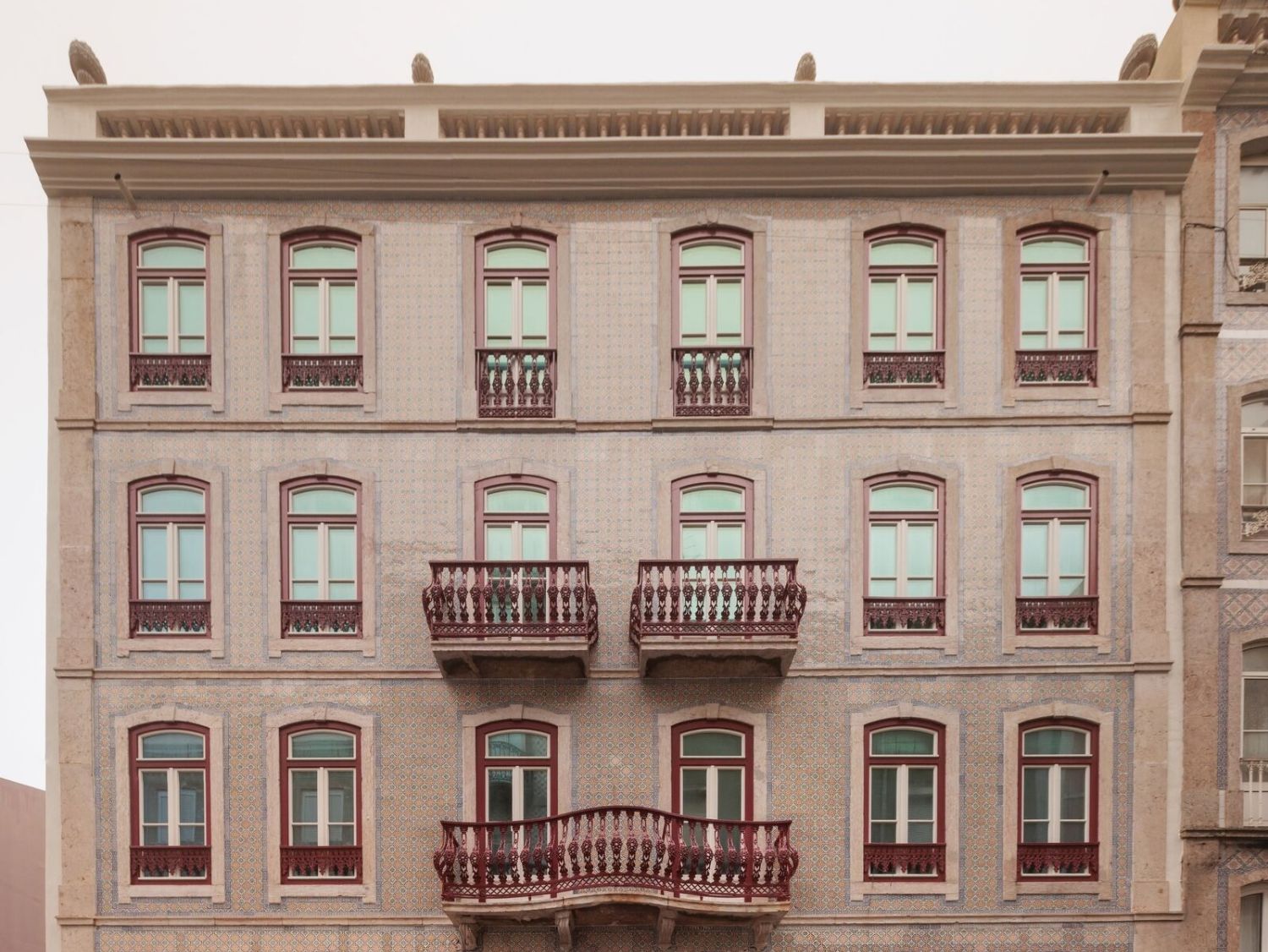
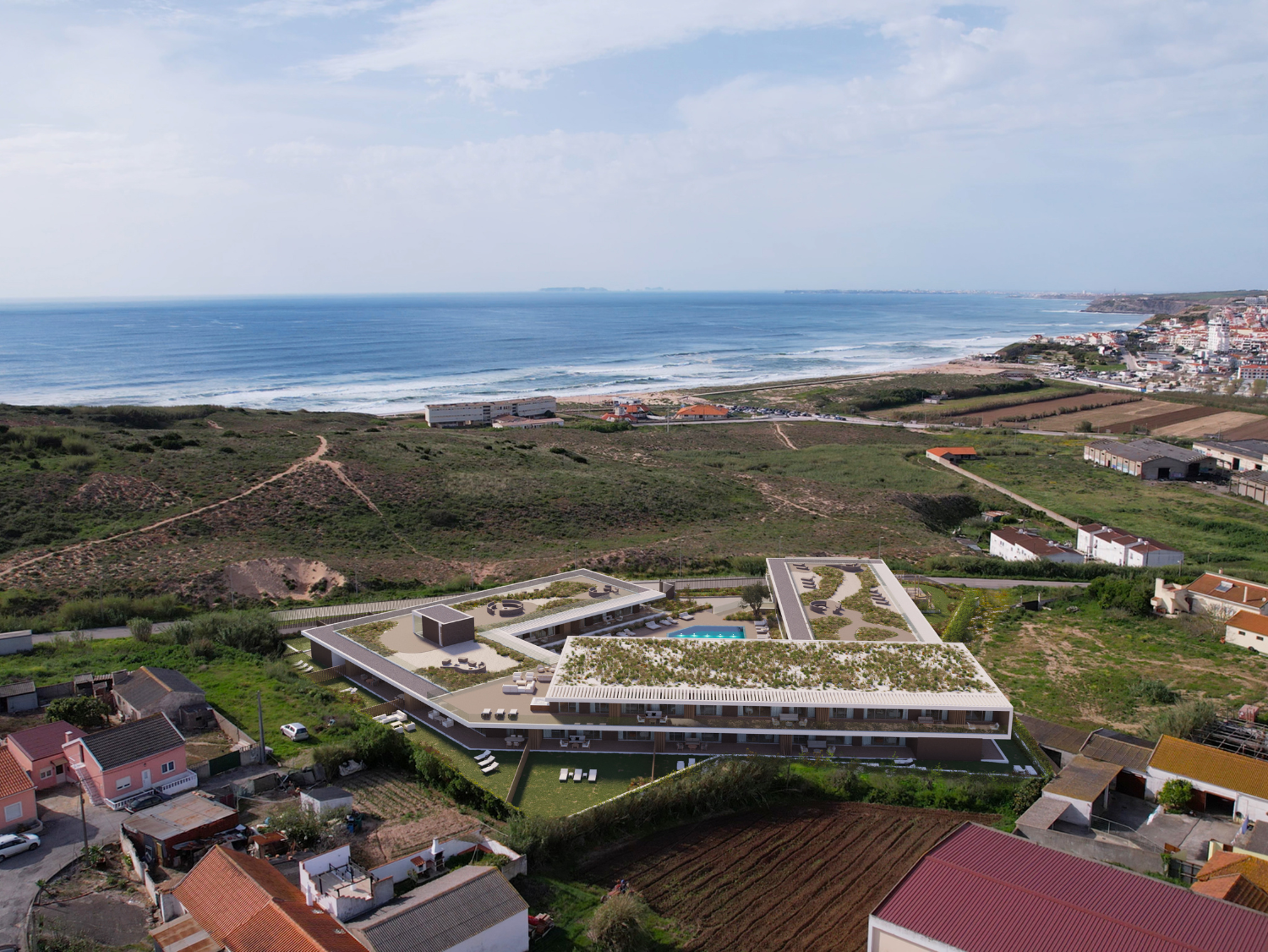
Porto has quickly become one of Portugal’s most desirable cities for expats, and for good reason. It offers a blend of old-world charm and modern convenience, all wrapped up in a beautiful riverside setting. If you’re an expat considering buying property in Porto, this guide covers everything you need to know—from affordability and residency options to the best areas and quality of life.
Affordability
Compared to Lisbon, Porto offers better value across the board. While prices have risen in recent years, they remain competitive by Western European standards, especially when you consider the lifestyle that comes with it.
Grocery prices are reasonable, and eating out is still affordable. A typical prato do dia (set lunch menu) costs around €7 and usually includes a starter, main course, and dessert. Dinner in a mid-range restaurant tends to fall between €15 and €25 per person, with drinks still relatively cheap by European standards.
A comfortable monthly budget in Porto, including rent, ranges from €1,480 to €2,490. It’s more expensive than smaller cities like Braga or Coimbra, but still far more manageable than Lisbon or other Western capitals.
Community
 Porto has a reputation for being open and welcoming, and expats generally find it easy to settle in. Locals are friendly and helpful, and many speak English, particularly in the city centre and service industries. That said, even a basic knowledge of Portuguese can go a long way in everyday interactions.
There are over 69,000 international residents in the Porto metropolitan area, with roughly a third living in the city itself.
For newcomers, it’s easy to find support; there are plenty of online groups, like Porto Internationals on Facebook, which regularly hosts events and social meet-ups. InterNations is also active here, with groups focused on everything from hiking to language exchange.
Porto manages to strike a good balance; it’s international without feeling overly commercialised, and it’s still very much a Portuguese city at its core.
Culture
Porto’s culture is one of its strongest draws. It’s a city that respects its heritage, but it’s not stuck in the past. You’ll find contemporary art galleries beside historic churches, modern food markets next to century-old wine cellars, and a calendar packed with festivals, exhibitions, and live performances.
The city is known for its artistic spirit and independent mindset, nowhere more visible than in places like Rua de Miguel Bombarda, where galleries and concept stores sit alongside cafés and studios. But it’s not all arts and events; daily life here feels relaxed, neighbourly, and genuine.
From the São João festival in June to the thriving theatre and design scenes, Porto is rich in both tradition and contemporary culture. For many expats, that blend is a major part of Porto’s appeal.
Safety
Portugal consistently ranks as one of the safest countries in the world, and Porto reflects that national reputation. It’s widely considered a safe city, with low levels of violent crime and a strong sense of community.
You can walk comfortably around most neighbourhoods at any time of day, including the historic centre. Of course, like any city, petty theft can happen, particularly in tourist-heavy areas, but overall, Porto offers a sense of security that many other urban centres lack.
Families, in particular, value the city’s safe environment and the welcoming attitude of locals towards children.
Gaining Residency
If you’re planning to move long-term, three main visa routes appeal to expats buying property in Porto: the D7, the D8, and the Golden Visa.

The D7 visa is aimed at those with passive income, typically retirees or investors. The D8, often called the Digital Nomad visa, is for remote workers earning income from outside Portugal. Both of these routes lead to permanent residency after five years of legal residence.
While real estate investment no longer qualifies under the Golden Visa, the program remains a viable option for foreign investors seeking permanent residency in Portugal. Eligible routes include investment funds, business creation, contributions to scientific/technological research, and donations towards artistic/cultural heritage.
All of these options allow for family reunification. Assuming you meet the language and integration requirements, you may also later apply for Portuguese citizenship. Whichever visa you choose, integration into Portuguese society is an important part of the process, and something worth investing in early.
Best Areas for Expats Buying Property in Porto
Baixa (Downtown)
This is the heart of the city; busy, central, and well-connected. Baixa offers a mix of historic buildings, shops, restaurants, and transport links. It’s ideal for professionals, remote workers, and those who want to be within walking distance of everything.
Matosinhos
A short metro ride from the city centre, Matosinhos is known for its beaches, seafood restaurants, and laid-back atmosphere. It’s particularly popular with families and expats looking for a more residential, coastal lifestyle without losing access to the
city.
Vila Nova de Gaia
Located just across the Douro River, Gaia technically sits outside Porto, but it feels very much part of it. It’s home to many of the famous Port wine cellars and has become increasingly popular with expats, thanks to lower property prices and stunning river views.
Gaia is also seeing major infrastructure improvements. The new Ruby Metro Line is under construction, which will link Casa da Música in Porto with Santo Ovídio in Gaia. With eight new stations and a new bridge over the Douro, commuting between the two cities will soon be faster and easier than ever.
Final Thoughts
Buying property in Porto is a lifestyle choice as much as it is a financial one. The city offers a rare mix of affordability, safety, cultural depth, and community. Whether you’re looking for a downtown apartment, a family home by the sea, or a base for remote work, Porto offers a strong case for long-term living.
As international interest continues to grow, now may be the right time to explore your options. With the right visa, a clear plan, and a bit of local knowledge, settling in Porto can be both smooth and rewarding.
Love Porto? Discover more in our destination guide,
and contact us today to secure your perfect property.


