




Arcadis has released its 2023 International Construction Costs Index (ICC) which tracks the price of construction (across residential, commercial, and public sector developments) in one hundred of the world’s largest cities.
Price inflation broke out across the globe in 2022, and this year, construction costs remain elevated.
The war in Ukraine has led to sky-high energy costs and exacerbated an already-disrupted supply chain brought on by the pandemic. Countries around the world have been hit with repeated interest rate hikes in a bid to get inflation under control. Moreover, as climate change becomes an increasingly pressing issue and industries strive toward net zero, a growing “green premium” is taking hold.
That said, some cities present much higher construction costs than others. Let’s look at the locations at either end of the rankings.
The Most Expensive Cities
Geneva led the index as the most expensive city to build in this year. It overtook London, which fell to second place after topping the table in 2022. New York moved up one position to third, and San Francisco up two places to fourth. Meanwhile, Munich jumped three places from 8th to 5th, with construction costs that are now 25% higher than Berlin.
Dollar-pegged currencies dominate the index, making up five of the top 10 most expensive cities; New York City and San Francisco are joined by Hong Kong, Boston, and Philadelphia. This is largely due to the appreciation of the dollar over the past couple of years, combined with rising local inflation.
Even as international construction costs rise, a long-term view is critical to adding value.
Hong Kong has emerged as Asia’s most expensive city to build in, and the 8th most expensive city globally. The government has committed to reducing its carbon emissions by 26%-36% before 2030 and achieving carbon neutrality by 2050, which will bring a hefty “green premium”.
On this note, demand is already building for sustainable buildings in prime locations, and the outlook for returns from older stock is deteriorating. With this, those that invest in low-carbon design now will protect their investments and increase asset value for the long term.
The Least Expensive Cities
The cities with the lowest construction costs in 2023 are largely concentrated in Asia. At the very bottom of the index, you will find Bengaluru, the capital of Karnataka in India. Bengaluru had the cheapest construction costs out of all one-hundred global cities tracked.
Bangkok’s position at the bottom of the index (in 92nd place) is also worth noting. With famously low prices, Thailand continues to attract investors from around the world and its capital city is a hotspot for investment.
Several cities in China also hold low positions, including Wuhan, Chengdu, and Beijing. Last year, the country was one of the few markets where construction prices fell due to prolonged lockdown restrictions.

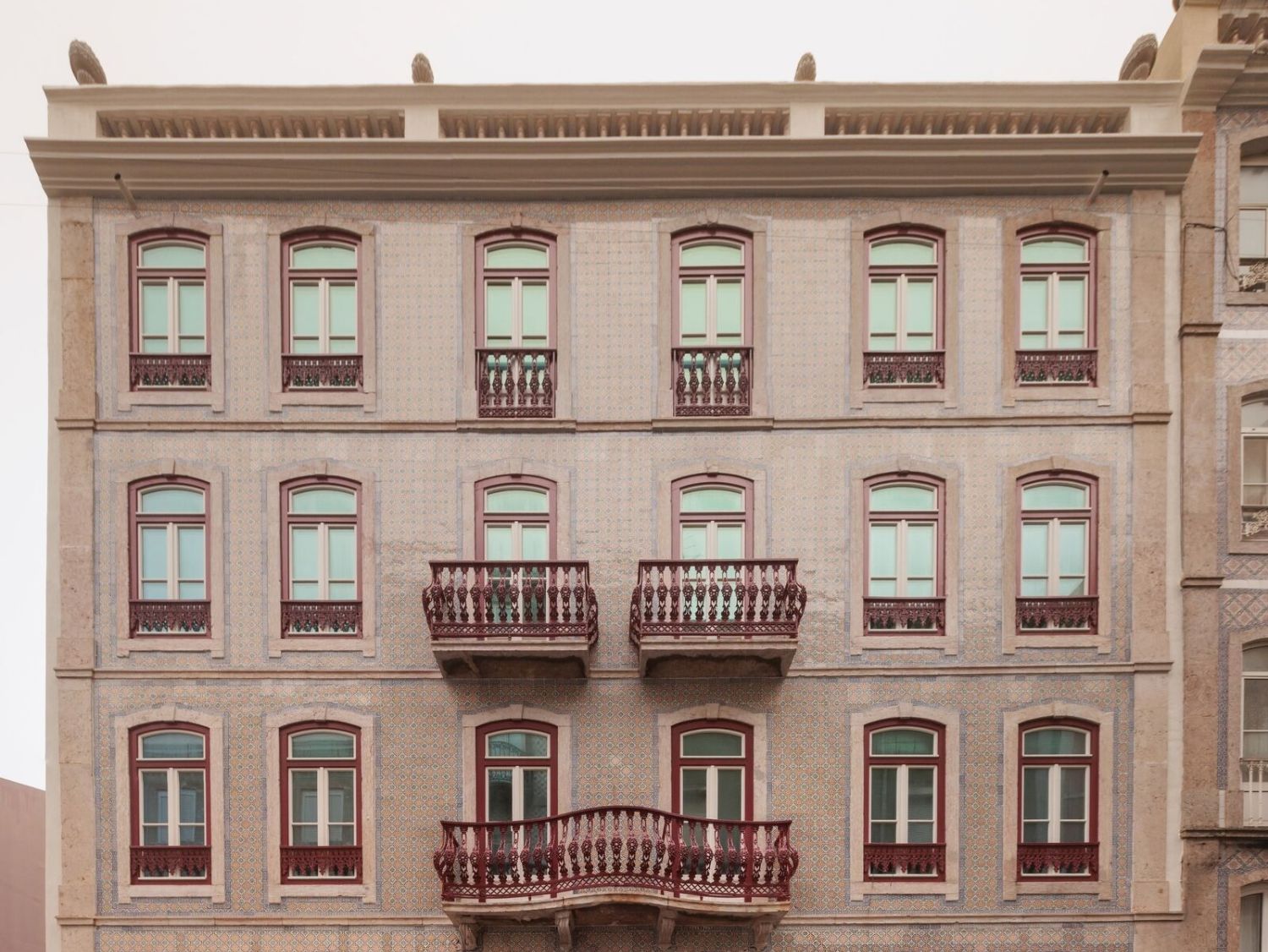
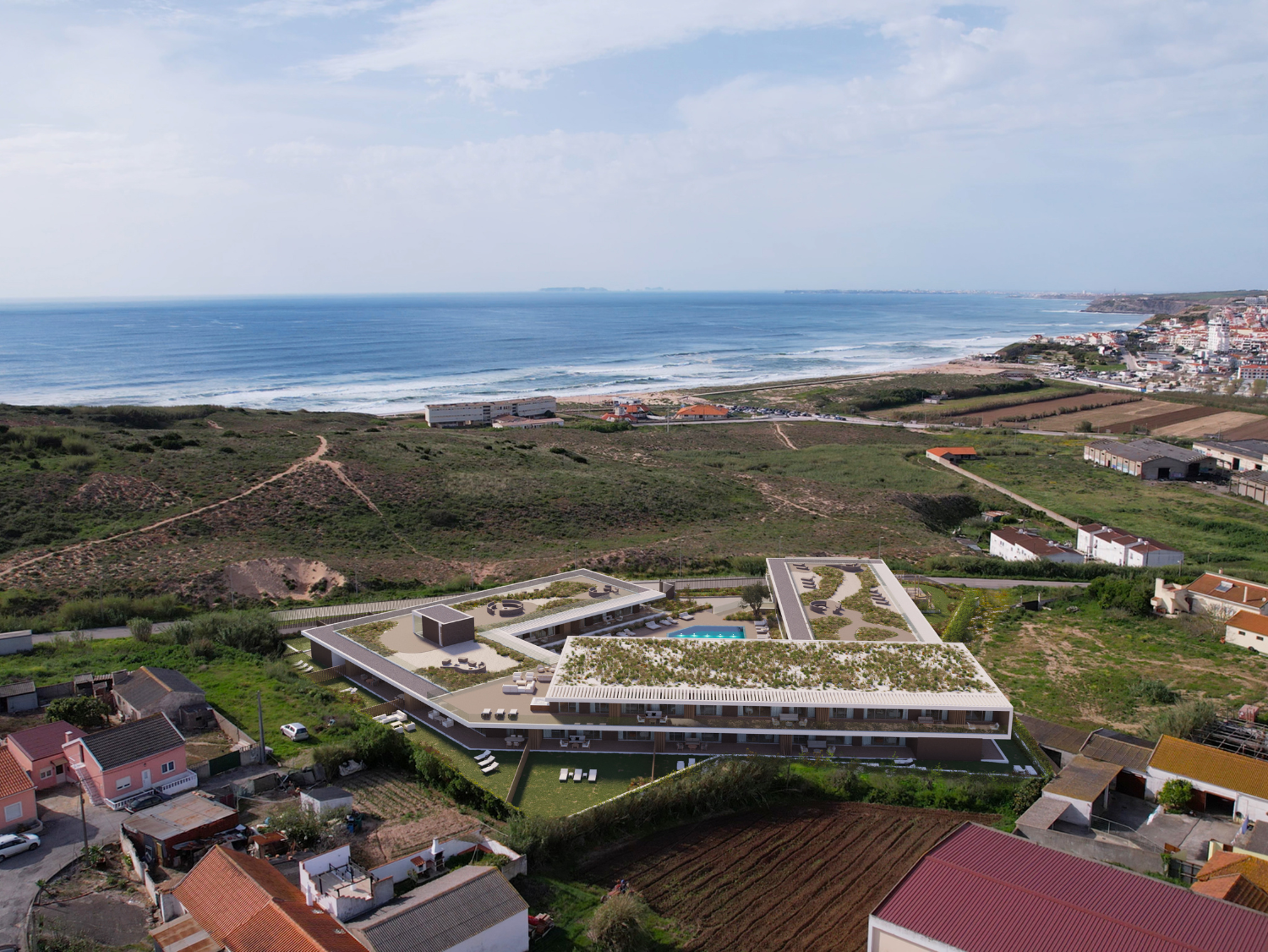
Lisbon and Porto ranked 68th and 74th, respectively, in a testament to Portugal’s booming market. Development is hot in these major Portuguese cities and foreign buyers are flooding in, enticed by reasonable prices coupled with strong house price growth.
Other cities with relatively affordable construction costs include Malaga, Mexico City, Madrid, Istanbul, and Athens. Sao Paulo and Rio de Janeiro also ranked at a respectable 64th and 65th.
The Impact of High Costs
High construction costs will naturally push house prices up and lead to a shortage of affordable housing. On a similar note, inflated costs can lead to stalled or cancelled development projects, which is bad news for developers and investors alike.
At Benoit Properties, our global real estate portfolio is geared around established cities with stable and growing markets, and we partner with reputable developers with a strong track record of delivered projects.
Are New Builds the Way Forward?
There is a growing need to invest in low-carbon design as a way of protecting asset value in the long term. However, with constricted budgets due to high costs, investors are less likely to pay the “green premium” today and run the risk of experiencing a “brown discount” tomorrow.
With this, new build developments are becoming increasingly attractive for homebuyers. Outdated structures can become a money pit, but new builds must adhere to the very latest guidelines. Moreover, demand for modern, green stock is growing fast with no signs of slowing down.
To conclude, international construction costs are expected to remain high throughout 2023 and beyond. Whilst energy costs are set to fall back, core inflation is a more deep-rooted issue and will continue to impact construction markets around the world.
Contact us today to discover our available properties around the world.

