


Are you searching for an enchanting destination steeped in history, tradition and old-world charm? Look no further than Coimbra—a riverfront city in west-central Portugal.
Often overshadowed by the likes of Lisbon and Porto, Coimbra is a fairytale-esque city perched on the banks of the Mondego River. It is just a couple of hours north of the capital and less than an hour and a half from Porto.
As the country’s former capital from 1139 to 1256, Coimbra showcases a unique collection of ancient sites, historical monuments and age-old architecture, making it a must-visit when in Portugal. Meander down winding alleys lined with hole-in-the-wall stores and inviting taverns; stumble upon a 12th-century palace turned art museum; while away an hour or so in the lush Choupal gardens, and look out for the hilltop University of Coimbra—one of the oldest universities in the world.
The city is probably best known for the University of Coimbra, which dates back to 1290. This prestigious university was first founded in Lisbon before becoming permanently established in Coimbra in 1537, making it Portugal’s earliest university and one of the oldest in the world. Sitting on a picturesque hilltop, with sweeping views of the city, the institution was built on the grounds of a former palace where the first kings of Portugal lived. Due to its historical significance, it has been listed as a UNESCO World Heritage Site in a classification that also includes Rua da Sofia and the upper part of the city. Key points of interest include the Pátio das Escolas courtyard, the Sala dos Capelos hall, and the Chapel of São Miguel.
The university’s library, Biblioteca Joanina, is an attraction in itself, boasting a vast book collection and elaborate baroque features such as marbled wood and frescoed ceilings. Built between 1717 and 1728 under the commission of King João V, the library houses more than 60,000 books. Interestingly, the books are protected by a colony of bats which eat harmful insects.
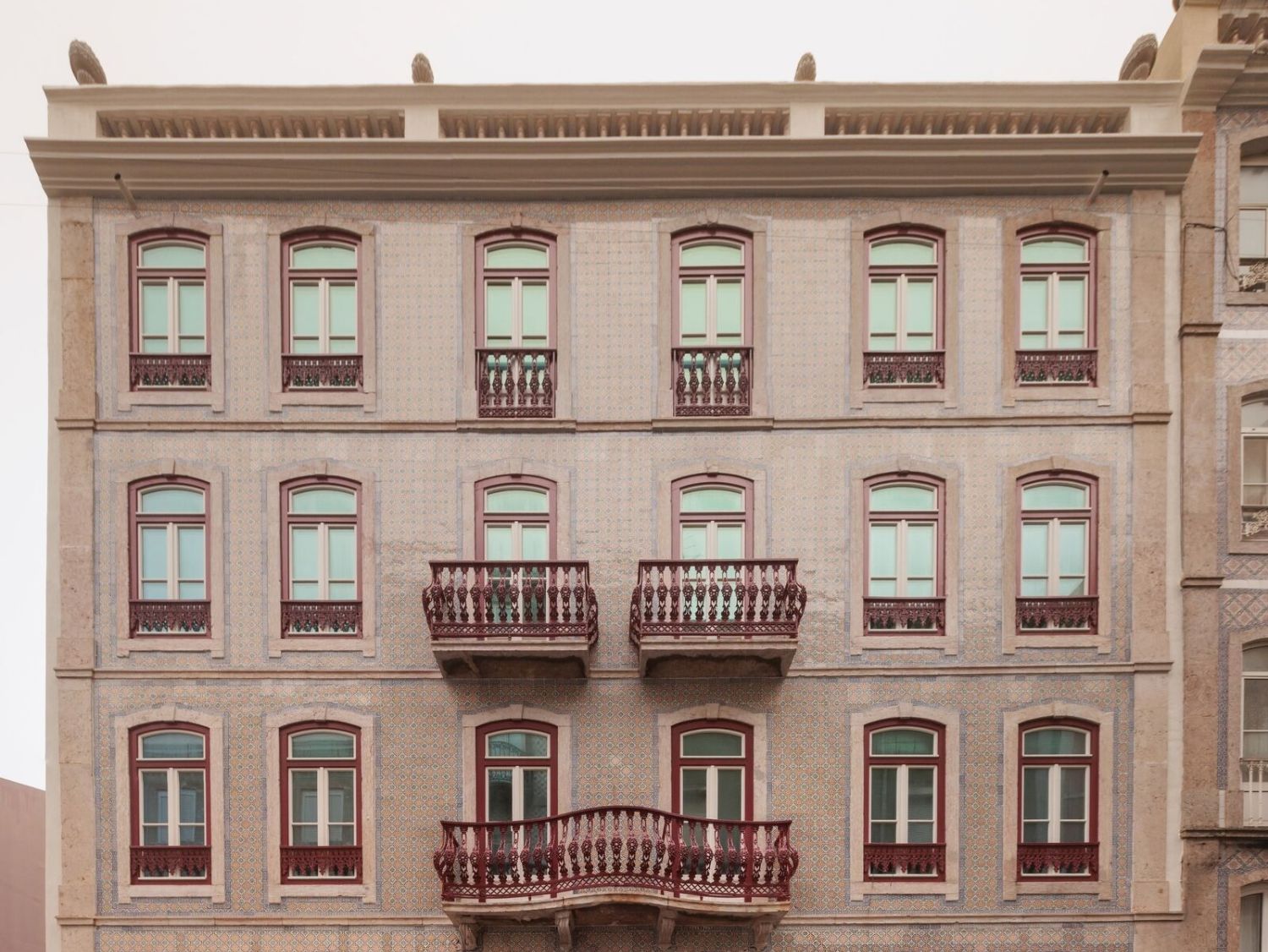
Beyond the University of Coimbra, history lingers on every corner. The city’s medieval old town dates back to Moorish times and is divided into the lower (Baixa) and upper, more affluent (Alta) district.
Situated in a stunning 12th-century bishop’s palace, the Machado de Castro Museum provides a window into Portugal’s storied past. The museum sits above a labyrinth of Roman tunnels—the remains of the Roman Cryptoporticus—and houses a collection of 14th- to 16th-century art which captivates locals and visitors alike.


While Coimbra is alive with history, it also sports a contemporary edge. Keep an eye out for more modern architecture like the University’s Campus II and the Pedro and Ines Footbridge, which exist harmoniously with the city’s nuggets of old.
The charming Mercado Municipal offers local produce and a dozen restaurants serving everything from hamburgers to fresh seafood. Enjoy a refreshing drink in the ‘cocktail courtyard’ before heading out to explore more of the city.
If you’re seeking a moment of quiet, Coimbra offers several tranquil green areas. A stone’s throw from downtown, Choupal National Forest runs along the edge of the river and is ideal for walking, cycling or simply enjoying a breath of fresh air. The Botanical Gardens of the university are another must-visit; dating back to 1772, the gardens sit at the heart of the city and are home to thousands of ancient plant species as well as a tropical greenhouse, fountain, woodland area and chapel.

Famously home to the forbidden lovers of King Dom Pedro and Inês de Castro during the 14th century, Quinta das Lágrimas is a Quinta (‘country estate’) in Coimbra spanning 12 ha of land. Its palace has been transformed into a 5-star hotel—one of the “Small Luxury Hotels of the World”—where guests can enjoy nature, history and fine living.
If you’re planning a trip to Coimbra, early May is an ideal time to visit, as this is when the “Burning of the Ribbons” festivities take place. To mark their graduation, university students burn their gowns and ribbons and gather for a traditional serenade at the Sé Velha (Old Cathedral). Throughout the week, further parades, dances and other cultural events unfold. The city comes alive with the sound of fado singers—typically men as opposed to women, a tradition unique to Coimbra—and echoes of guitarra (Portuguese guitar). This unique celebration is one of the largest student festivities in Europe, attracting spectators from around the world.
Once you have experienced the best of Coimbra, plenty more awaits you just outside the city. The ancient site of Conimbriga, just 20 minutes southwest of the city, is home to some of Europe’s best-preserved Roman mosaics. You can also hop on a train for half an hour to Comibra’s nearest beach, Figueira da Foz. Located at the mouth of the Mondego River, this coastal city is best known for its vast sandy coastline, vibrant atmosphere and diverse summer activities.
A beautifully historic city with a youthful energy, Coimbra offers a magical few days away and an inviting place to call home. Whether you’re planning to visit Portugal or looking for the next place to put down roots, Coimbra should not be overlooked. While Lisbon and Porto certainly have their charms, Coimbra offers something a little different. The city appeals to those looking for a quieter, more authentic Portuguese lifestyle surrounded by nature, while its university draws students, professionals, and digital nomads from all corners of the world. Coimbra may be lesser known than other cities in Portugal, but with all its history, culture and character, it is undeniably one of Europe’s best treasures.
Browse our properties in Portugal.


