


Few travellers heading north from Porto to the Douro Valley realise they’re passing by one of Portugal’s most fascinating cities. Set in the green heart of the Minho region, Braga is where deep history meets modern energy. It’s a place that feels both ancient and young, spiritual and creative, all at once. This guide unpacks why Braga deserves a spot on your northern Portugal itinerary, how to get there, and what not to miss while you’re in town.
Braga: Northern Portugal’s Coolest Historic City
When people talk about northern Portugal, they usually think of Porto and the Douro Valley—but Braga is not to be missed. Recently named the 5th Happiest City in Europe by the European Commission and voted Europe’s next emerging destination at the World Travel Awards, Braga has been quietly earning its place among Portugal’s most celebrated cities.
Dating back to Roman times, when it was founded as Bracara Augusta in 16 BCE, Braga became a major administrative and cultural centre in the ancient world. Centuries later, it emerged as one of the most powerful religious strongholds on the Iberian Peninsula, earning its nickname, “City of the Archbishops.”
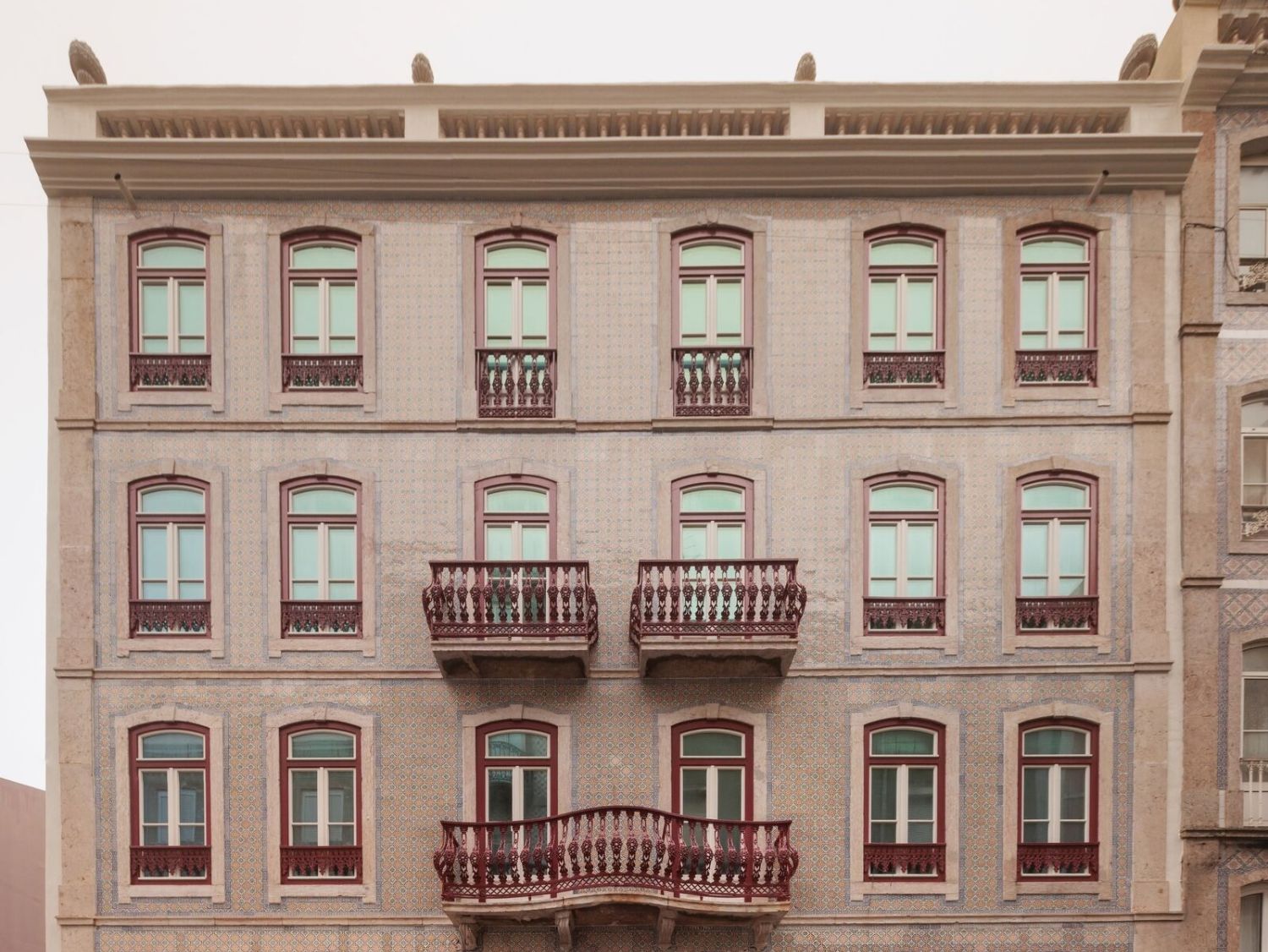
Today, Braga blends its baroque beauty with modern growth. Known also as the “City of the Baroque,” its historic centre is filled with ornate churches, tiled facades, and grand squares that echo the city’s past. Yet the atmosphere feels youthful and forward-looking. Cafés buzz with students, boutique stores line medieval streets, and festivals spill into public squares.
Top Sights and Things to Do in Braga
 No trip between Porto and Braga is complete without visiting Bom Jesus do Monte, the city’s defining landmark and a UNESCO World Heritage Site. Set on a hillside, this baroque sanctuary is reached by climbing a striking staircase or by taking Portugal’s oldest funicular, which operates entirely on a 19th-century water counterbalance system. The view from the top, stretching across the Minho Valley, makes the climb worth it.
Back in the city centre, wander through the Jardim de Santa Bárbara, a manicured garden framed by the ruins of the Archbishop’s Palace. It’s one of the most photogenic corners of Braga and a perfect place to pause before diving back into the hustle and bustle.
If you can, catch an SC Braga football match at the stunning Estádio Municipal, a modern architectural marvel carved into a former quarry. Even if you’re not into football, the design alone is worth a visit.
Other highlights include the Arco da Porta Nova, the iconic gateway to the old town and symbol of the city’s openness; the Braga Cathedral (Sé de Braga), Portugal’s oldest, dating to the 11th century; and the Teatro Circo, a century-old theatre that now hosts concerts and film festivals.
Getting From Porto to Braga and the Douro Valley
Braga is located roughly 55 kilometres north of Porto, making it the perfect pitstop between Porto and the Douro Valley. It’s easy to travel between the two cities with options for both public and private transport.
By train: The easiest way to reach Braga from Porto is on the Urban Train (Comboios de Portugal) from São Bento or Campanhã stations. The journey takes about 55–75 minutes and costs around €3.50 each way. Trains depart roughly every half hour, dropping you right in the city centre.
By bus: Multiple operators, including FlixBus and Rede Expressos, make the trip in about 50 minutes, costing around €5–6.
By car: The drive along the A3 motorway takes about 45 minutes, making it easy to combine Braga with other northern highlights like Guimarães or Amarante before heading into the Douro.
Because it’s so close to both Porto and the Douro Valley, Braga works great as a base or a scenic stopover between the two destinations.
A Perfect Day Trip Itinerary from Porto
Although you could spend several days exploring Braga, it also makes a convenient day trip from Porto.
Start early and catch the morning train from Porto to Braga. Begin your walk through the Arco da Porta Nova, then head to the Braga Cathedral, a quiet moment before the city wakes. Stop for a coffee at APE Coffee, one of Braga’s trendiest cafés.


For lunch, stroll along Avenida da Liberdade, the city’s main boulevard lined with restaurants and boutiques, and order Bacalhau à Braga, a local take on fried cod with onions and peppers.
In the afternoon, make your way to Bom Jesus do Monte. Take the funicular up, admire the sweeping view, then walk down through the gardens and fountains for a different perspective. As evening sets in, hop back on the train to Porto or stay for dinner at one of Braga’s lively outdoor terraces before heading back.
Modern Braga: Innovation Meets Tradition
Beyond its churches and cobbled streets, Braga has become a hub of innovation. Named European Youth Capital in 2012 and a finalist for EU Green City 2025, the city has built a reputation as one of Portugal’s most forward-thinking municipalities.
It’s home to the University of Minho, one of the country’s top academic institutions, which brings a steady flow of students and researchers. The International Iberian Nanotechnology Laboratory (INL), a research centre, adds a high-tech edge that sets Braga apart from other northern cities. Together, they’ve helped transform Braga into a youthful, sustainable city where innovation thrives alongside centuries-old heritage.
Best Time to Visit Braga
The best time to visit Braga is spring through early summer (March–June), when the weather is mild and the city is in bloom. Rain is rare, and temperatures hover comfortably around 20°C, perfect for exploring on foot.
If you can, time your visit with Holy Week in Braga, one of Portugal’s most important religious festivals, held each year in late March or April. In May, Braga Romana re-creates the city’s Roman origins with markets, parades, and performances that take over the historic centre.
Final Thoughts
Braga is much more than just a waypoint between Porto and the Douro Valley; it is becoming a destination in its own right. It’s a sacred yet vibrant city, and it offers a perfect snapshot of Portugal’s evolving identity. Whether you come for a day trip or a long weekend, you’ll leave Braga wondering why you didn’t visit sooner.
Discover available properties in Portugal.


